Worker Safety Commitment Strengthened Towards 2026
The electroplating industry demonstrates a strong commitment to strengthening worker safety standards leading up to 2026 through integrated and systematic approaches. These improvement efforts focus on developing safe work environments, continuous training, and the use of technology to build consistent and progressive safety culture.
CCTV-Based Security Technology
Modern CCTV systems are used to continuously monitor work activities in critical areas. This technology helps detect risks faster and ensures all workers follow safety procedures. Recent studies prove comprehensive visual monitoring significantly reduces potential accidents in industrial operations.
Structured Fire Extinguisher Training
Fire extinguisher training programs are conducted regularly to ensure all workers understand proper firefighting techniques. Materials cover extinguisher use, fire classification, and emergency simulations. This training approach improves worker response when facing direct fire threats.
Comprehensive Safety Information Provision
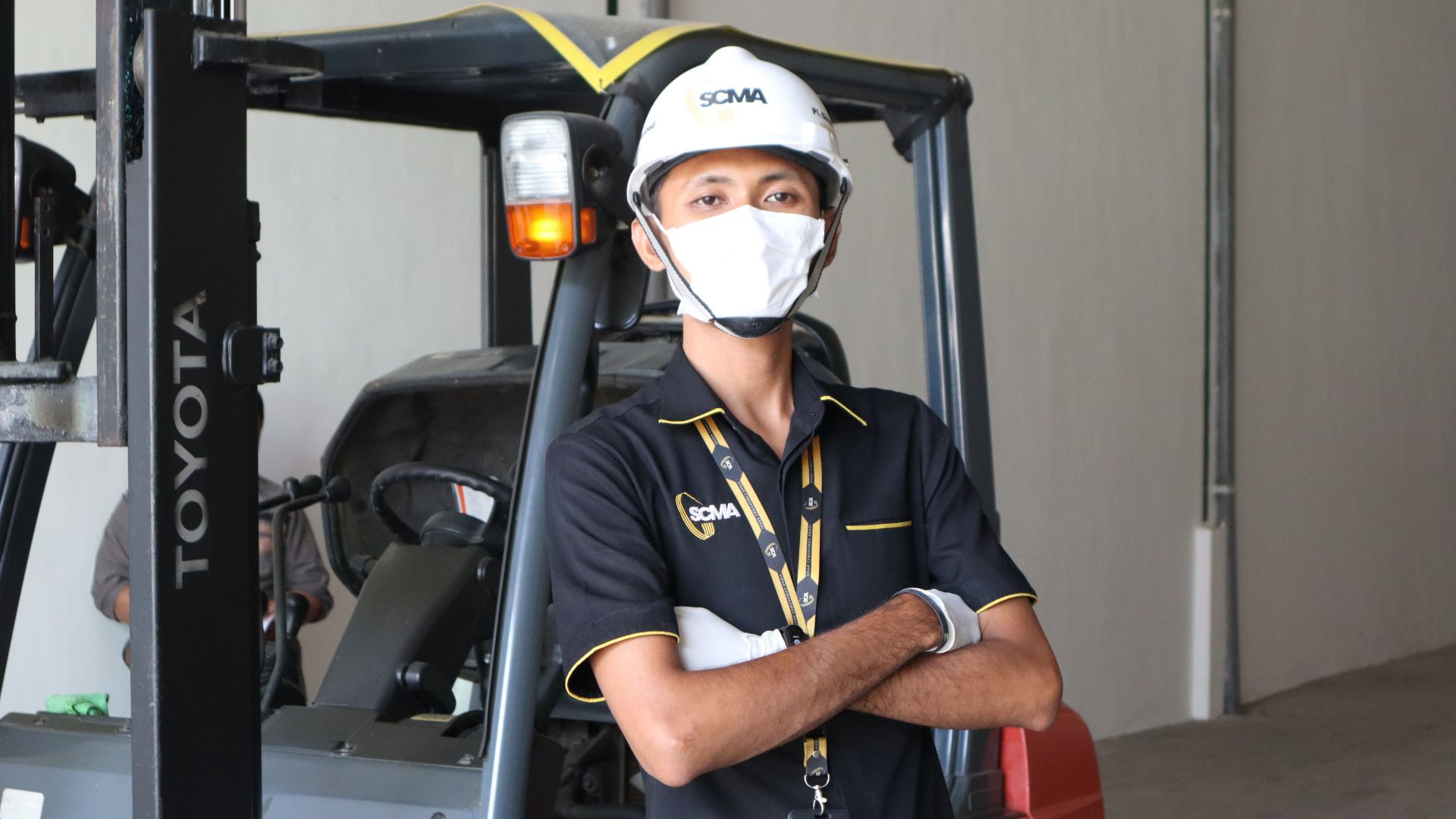
Work safety orientation is provided systematically with materials covering hazard identification, evacuation procedures, and personal protective equipment use. All workers receive clear guidance to face potential risks. This comprehensive orientation model improves worker readiness to face various dangerous situations consistently.
Stricter Chemical Hazard Control
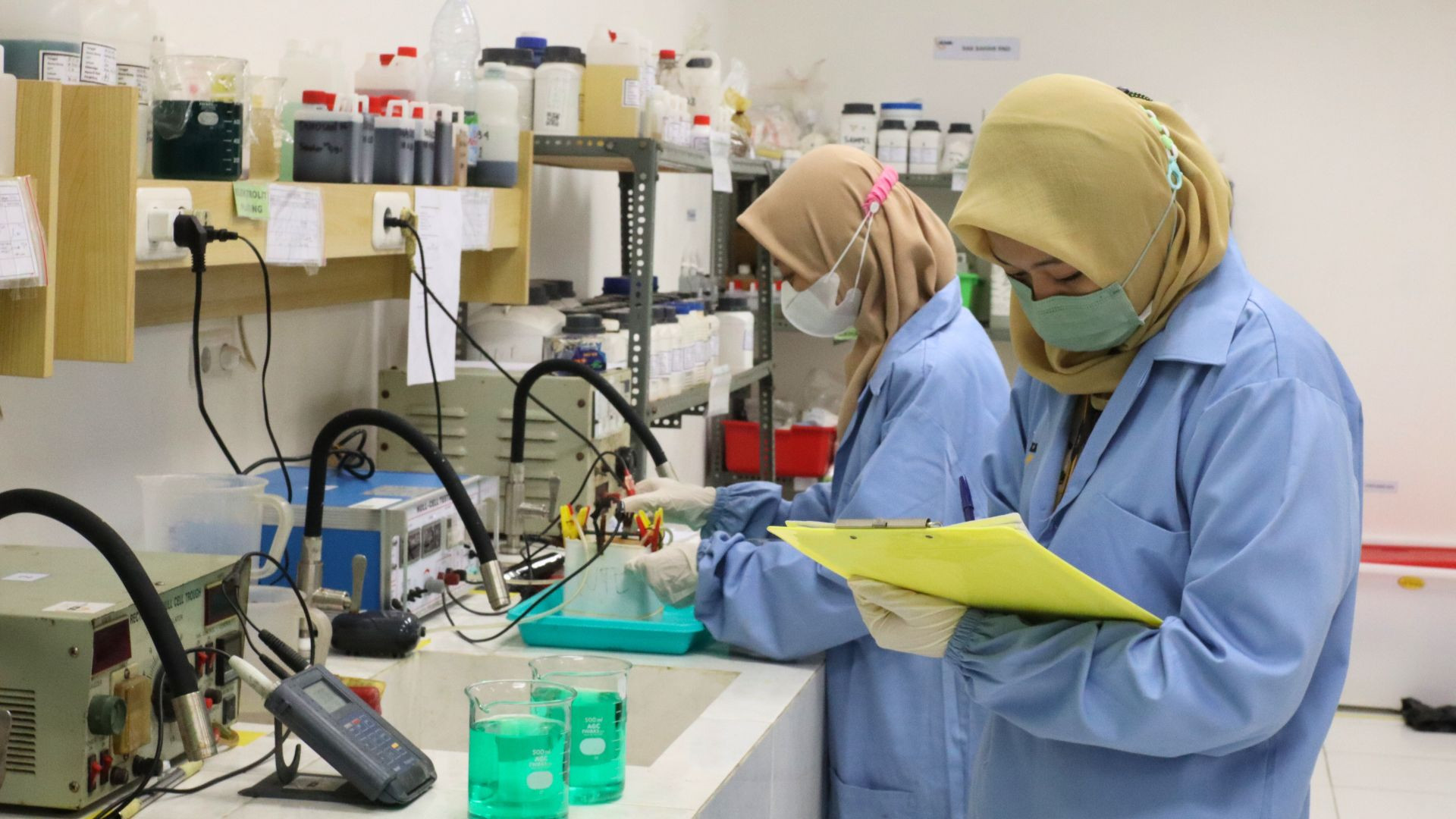
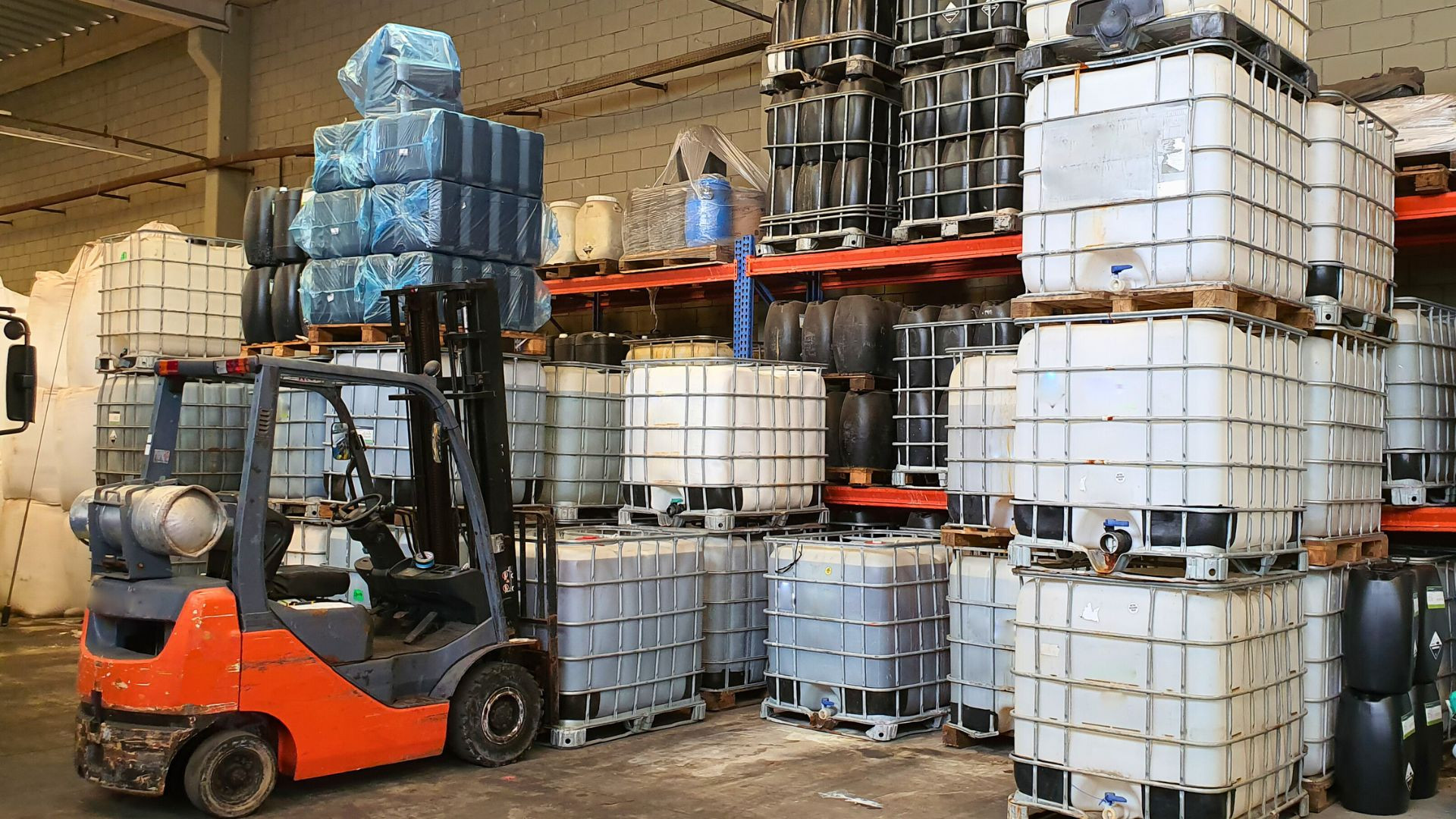
Chemical management protocols are strengthened through strict storage, handling, and disposal standards. Periodic monitoring ensures potential exposure to hazardous materials can be minimized. This comprehensive approach provides optimal protection against chemical risks in production processes.
Regular Safety Audits
Regular audits are conducted to assess safety system effectiveness and identify areas needing improvement. Comprehensive evaluations help develop measurable and targeted action plans. Consistent audit practices ensure long-term improvements align with industrial safety standards.
Ventilation and Air Control
Ventilation systems are enhanced using air purification technology that can reduce harmful chemical vapors. Optimal circulation ensures a healthy work environment. Good air control implementation supports prevention of long-term health issues for production area workers.
Proactive Safety Culture Development
Proactive safety culture is built through involvement of all workers in regular safety programs. Recognition awards increase motivation to contribute to creating safe environments. This participatory approach strengthens collective awareness of safety importance in daily operational activities.
PT Sinar Cemaramas Abadi (SCMA) is committed to supporting the creation of safe work environments through advanced technology, comprehensive training, and integrated safety systems. With focus on continuous improvement, SCMA is ready to lead industrial safety transformation facing operational demands towards 2026.
References
- Chen, X., et al. (2023). CCTV Implementation in Industrial Safety Monitoring. Journal of Occupational Safety.
- Johnson, M., & Lee, K. (2024). Fire Safety Training Effectiveness in Manufacturing. Safety Science Review.
- Gupta, R., et al. (2023). Chemical Hazard Control in Manufacturing. Industrial Health Journal.
- Zhang, L., et al. (2024). Ventilation System Optimization. Workplace Environment Studies.
- Williams, S., et al. (2023). Safety Culture Development Strategies. Organizational Safety Management.