Surface Preparation for Optimal Zinc Phosphating
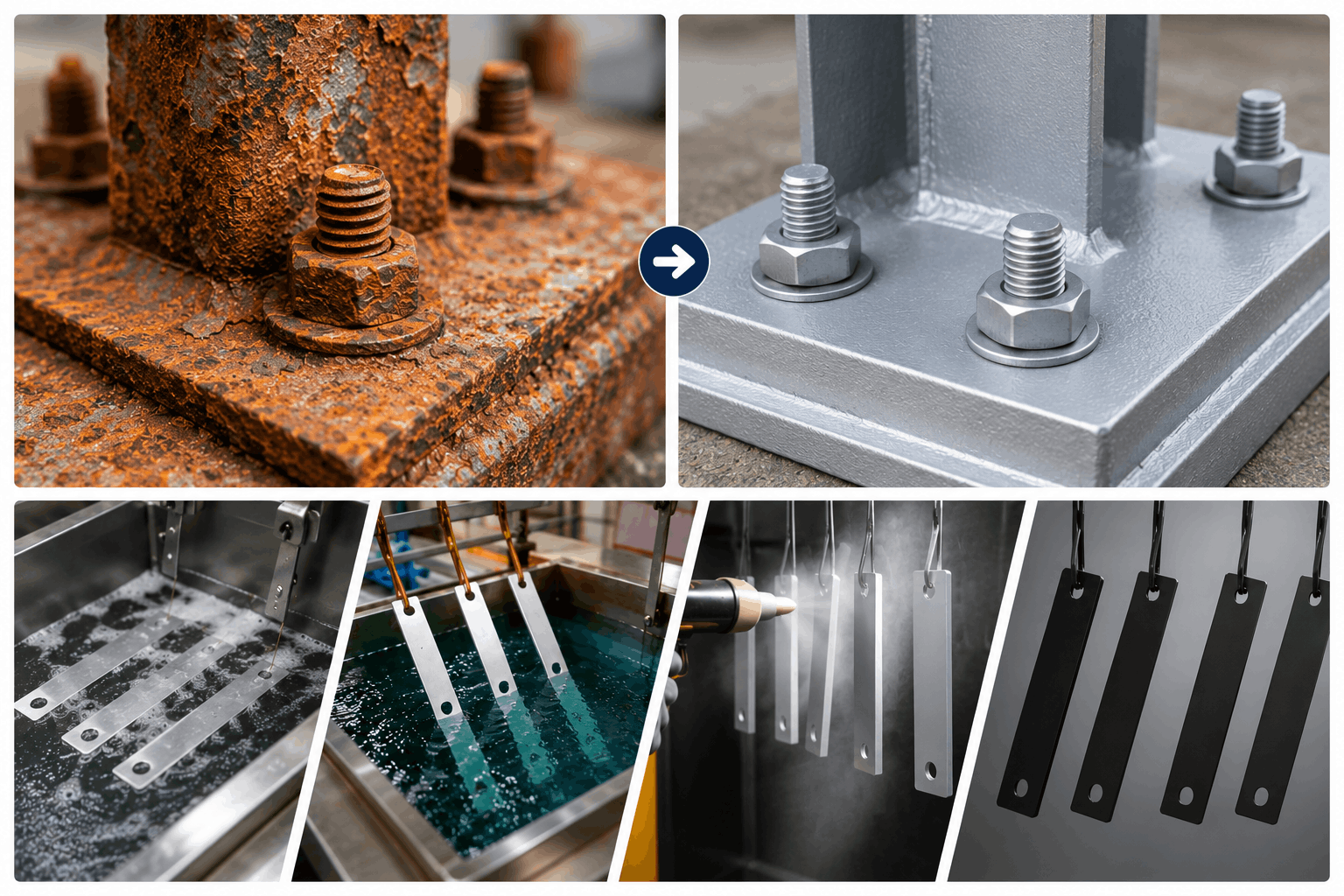
Zinc phosphating is a popular method to protect metal surfaces from rust and improve paint adhesion. This process works best when the metal is properly prepared through careful cleaning steps. The main preparation stages include degreasing, cleaning, and pickling, which together create the perfect surface for the phosphate coating to stick properly.
Cleaning Oils and Grease
The first step removes all oil and grease from the metal surface using special cleaning solutions. These cleaners can be water-based or solvent types, depending on what works best for the specific metal parts. This step is crucial because the phosphate coating won't stick well to dirty surfaces. Most factories use warm cleaning solutions that work quickly without being too harsh on the metal.
Removing Dust and Dirt
After degreasing, the metal needs another wash to remove leftover dust and light surface rust. Simple cleaning solutions work well for this step, followed by rinsing with clean water. The water should be free of minerals to prevent spots or stains on the metal. This thorough cleaning helps the next steps work more effectively.
Treating Heavy Rust
For parts with rust or scale, a mild acid treatment helps clean the surface completely. This step uses diluted acids that remove rust without damaging the good metal underneath. The treatment time is carefully controlled to clean properly while keeping the metal in good condition. Workers monitor the process to ensure consistent results.
Final Rinsing Step
After all cleaning steps, the metal gets a final rinse with clean water. This removes any leftover cleaning chemicals that might affect the phosphating. The rinse water flows over the parts to wash everything away completely. Proper rinsing makes sure the surface is perfectly clean for the coating process.
Getting Best Results
Following the correct steps in the right order ensures the phosphate coating works as intended. Keeping solutions at the proper temperature and checking them regularly maintains quality. Simple maintenance of the equipment helps the process run smoothly. These practices help create durable, long-lasting coatings.
Why Preparation Matters
Good surface preparation makes the coating stick better and last longer. Clean metal surfaces allow the phosphate coating to form evenly across all areas. This prevents weak spots where rust could start. The extra time spent on proper preparation pays off with better protection for the metal.
Simple Quality Checks
Regular visual inspections help maintain consistent results in the coating process. Checking sample parts ensures the cleaning steps work properly before coating. Simple tests can verify the surface is clean enough for phosphating. These checks help catch any issues early when they're easier to fix.
References
- Metal Finishing Handbook (2022), "Surface Preparation Guide"
- Industrial Coating Journal (2023), "Best Practices in Metal Treatment"
- Manufacturing Today (2021), "Efficient Surface Preparation Methods"
- Coating Technology Review (2022), "Zinc Phosphating Updates"
- Factory Maintenance Guide (2023), "Simple Process Controls"
Other Articles