Understanding the Electroplating Process Step by Step

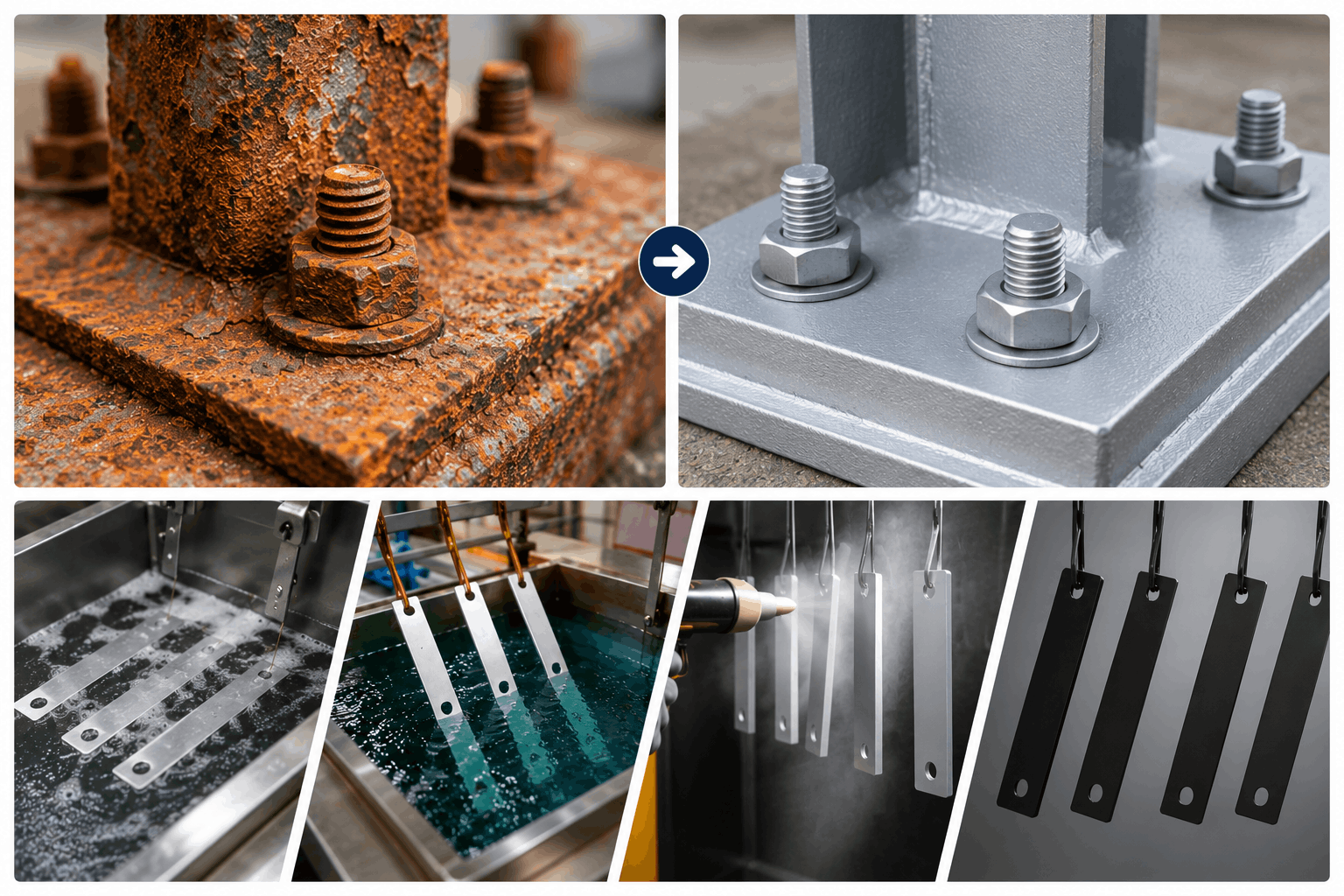
Electroplating is a precision-controlled metal finishing process that uses electrical current to deposit a thin layer of metal onto a surface. This method is widely used in various industries to improve appearance, enhance durability, and increase corrosion resistance. Every stage in the electroplating process is crucial to achieve high-quality and reliable coating results.
Preparation of the Substrate
The first step involves thoroughly cleaning the substrate (the metal object to be plated). Oil, dirt, and oxide layers must be removed using mechanical, chemical, or ultrasonic methods. A clean surface ensures proper adhesion of the plated metal, which is critical for long-lasting performance.
Setting Up the Electroplating Bath
The electroplating takes place in a specialized electrolytic bath. The setup includes the substrate as the cathode and a metal anode, submerged in a solution containing metal ions. Additives are often included to control characteristics like brightness, smoothness, and hardness. For consistent results, the chemical composition of the plating bath must be managed carefully.
The Electroplating Process
When DC current flows, positively charged metal ions in the solution are attracted to the negatively charged substrate. This results in a thin and uniform metal layer forming on the surface. Choosing the right voltage, current density, and plating time is essential for optimal outcomes.
Deposition of Metal Ions
At the cathode, a reduction reaction occurs: metal ions gain electrons and become solid metal. For example, in copper plating, the reaction is: Cu²⁺ + 2e⁻ → Cu. The layer's thickness and adhesion depend on process parameters such as time, temperature, and current strength.
Factors Affecting Electroplating Quality
Several elements influence the final quality, including bath temperature, electrolyte concentration, current density, and agitation. Additives such as brighteners or leveling agents can improve grain structure and aesthetic finish. Constant monitoring is vital to maintain plating quality and consistency.
Post-Plating Treatment
After plating, the part is rinsed and may undergo drying, heat treatment, or passivation. These post-treatments enhance corrosion resistance and stabilize the coating. Passivation forms a thin oxide film that protects against chemical attack.
Applications of Electroplating
Electroplating is essential in sectors like automotive (trim, wheels), electronics (connectors, PCBs), aerospace, jewelry, and medical devices. Its combination of functionality and visual appeal makes it irreplaceable in many precision manufacturing operations.
Advantages of Electroplating
This process offers benefits such as enhanced corrosion resistance, increased surface hardness, improved electrical conductivity, and superior surface finish. With precise thickness control, manufacturers can meet strict specifications and performance standards.
Overall, electroplating is a vital surface engineering method combining science, precision, and experience. For industries in Indonesia, Jakarta, Surabaya, and across Southeast Asia looking for reliable results, partnering with a trusted electroplating chemical supplier like PT Sinar Cemaramas Abadi ensures consistent coating performance and long-term value.
References
- The Fabricator. 2022. Electroplating: The Process and Its Benefits. The Fabricator
- Science ABC. 2021. How Does Electroplating Work? Science ABC
- Thermo Fisher Scientific. 2020. Electroplating 101: How Plating Metals Works. Electroplating 101
- Finishing.com. 2019. The Basics of Electroplating. Electroplating Basics
- Nickel Institute. 2022. Nickel Plating in Modern Industry. Nickel Institute
Other Articles